
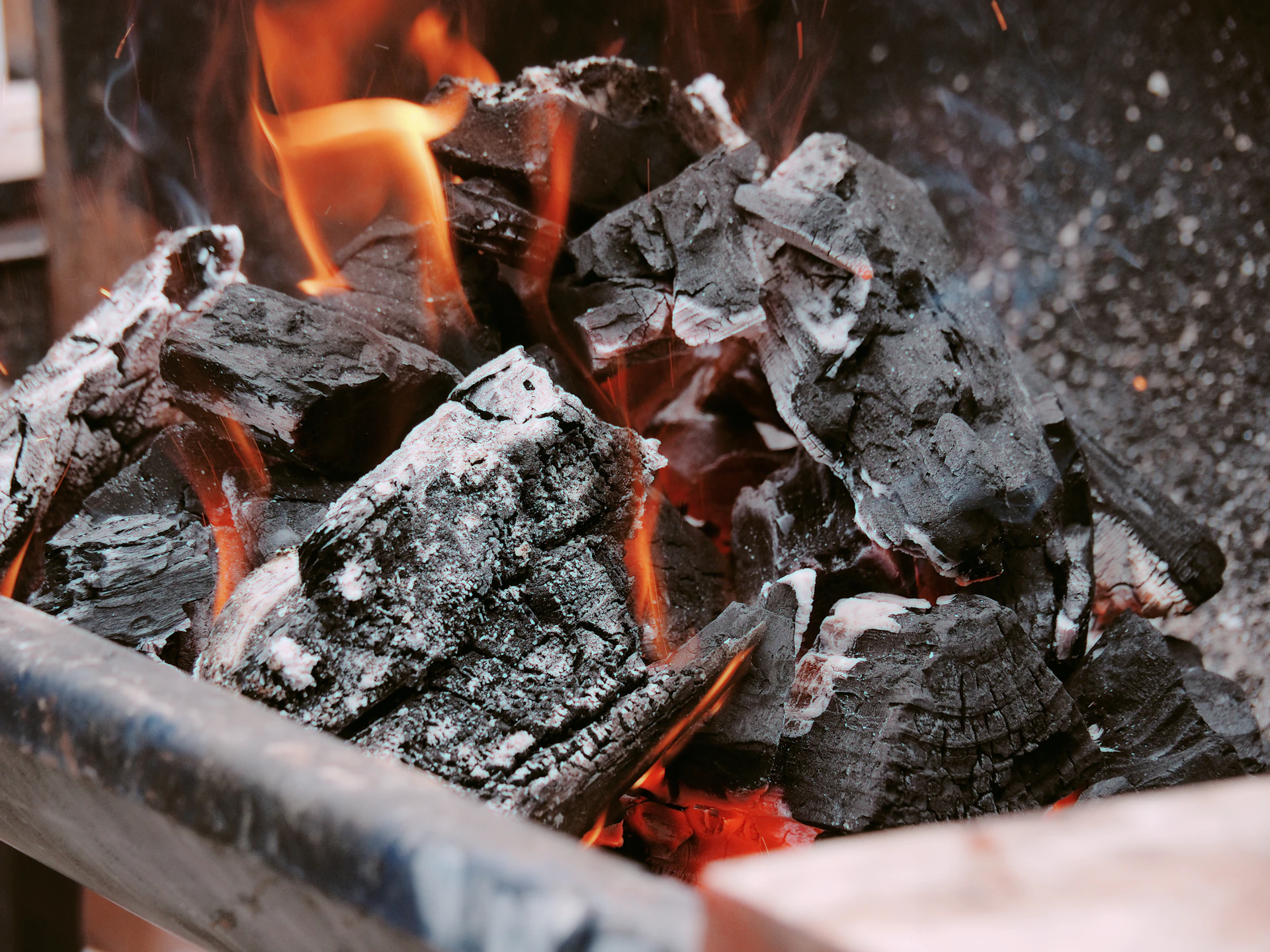
Briquettes vs lump charcoal — what is the difference and when to use each?
Types of Charcoal for Grilling — The Complete Guide to Choosing the Right Charcoal
The charcoal you choose directly affects the flavor, temperature and cooking time. The two main types — briquettes and natural lump charcoal — are fundamentally different.
In this guide we cover the differences, pros and cons of each type, and when to use each one.
| Criteria | Briquettes | Natural Lump Charcoal |
|---|---|---|
| Burn Time | Long and even (4-8 hours) | Shorter (2-4 hours) |
| Temperature | Even and stable | Higher, less stable |
| Ash Amount | More ash (binding agents) | Less ash |
| Best For... | Long smoking, slow cooking | Direct grilling, high heat |
Briquettes for Smoking & Long Cooking
Briquettes are made of compressed charcoal with binding agents (usually starch). According to Meathead Goldwyn (AmazingRibs.com), each briquette represents a precise unit of potential heat, giving you predictable temperature control. Filling the Slow 'N Sear® with briquettes is enough for 8-12 hours of continuous smoking.
Natural Lump Charcoal for Direct Grilling
Natural lump charcoal is wood burned in a low-oxygen environment — no chemical additives. It lights quickly, reaches higher temperatures (370°C+), and gives a subtle wood flavor. According to Consumer Reports testing, lump burns 40-50 degrees hotter than briquettes. Ideal for searing steaks and burgers.
Smoking Woods for Extra Flavor
Beyond charcoal, smoking woods add an extra layer of flavor. Use chunks, not chips. Oak — universal, suits all meats. Hickory — strong smoke, great for beef. Cherry — mild and sweet, excellent for poultry. Maple — gentle, suits fish and vegetables. Mesquite — very strong, in small amounts for beef.
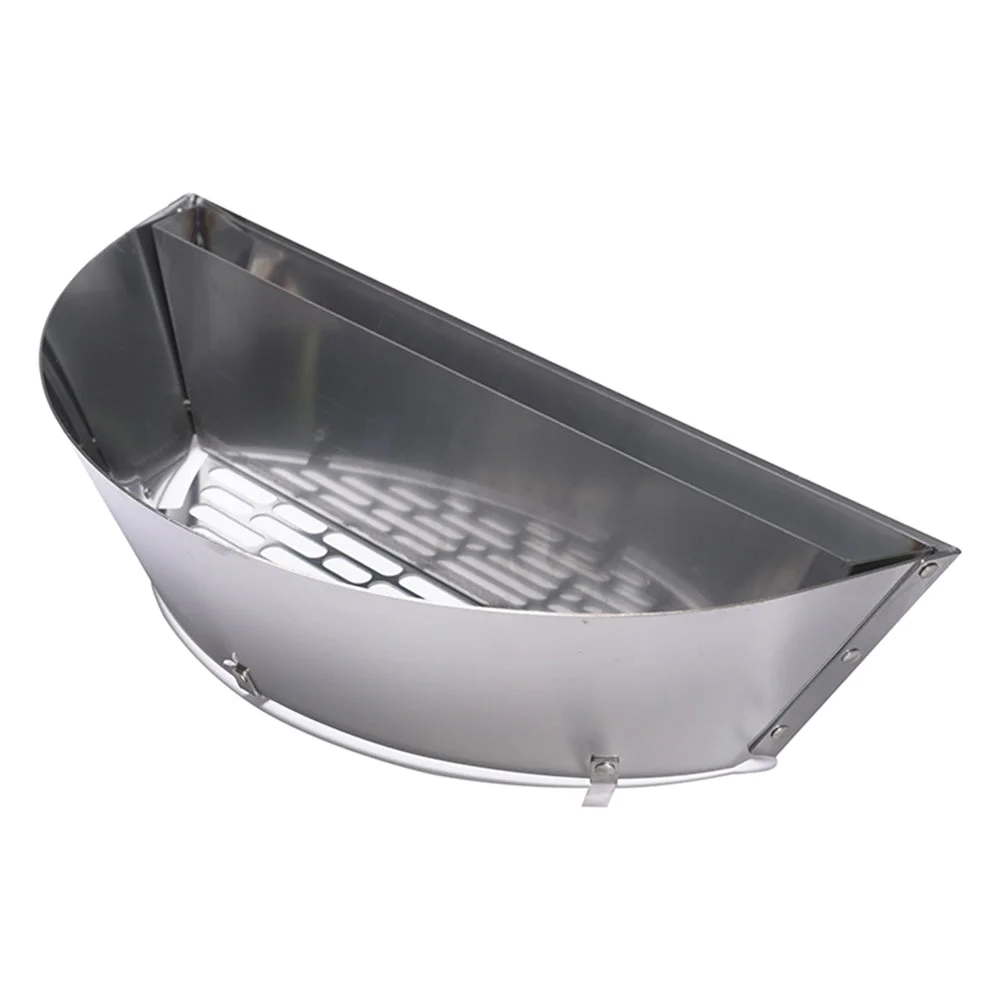
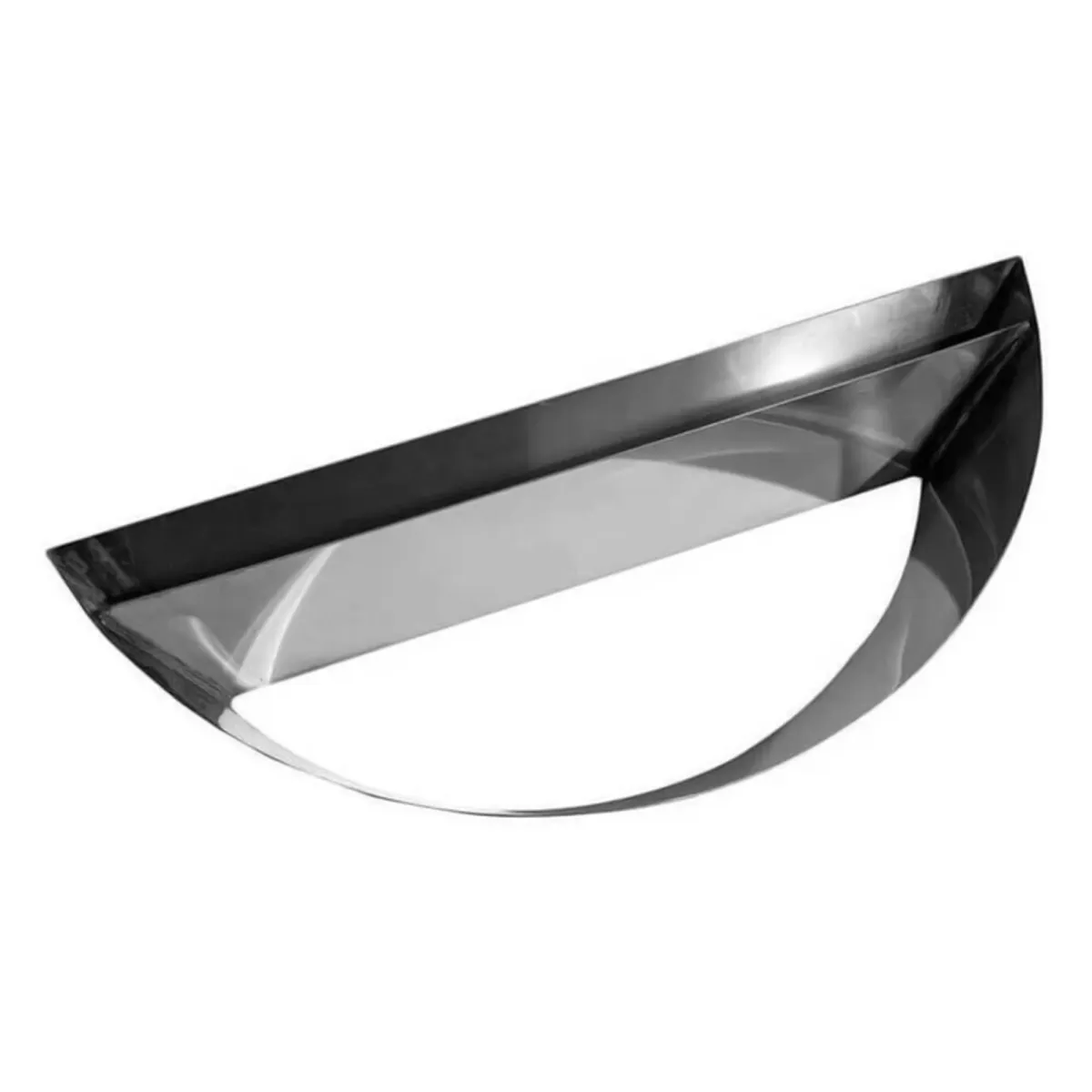
Slow 'N Sear® Original — Smoking Basket for 57 cm Grills
₪299
Out of Stock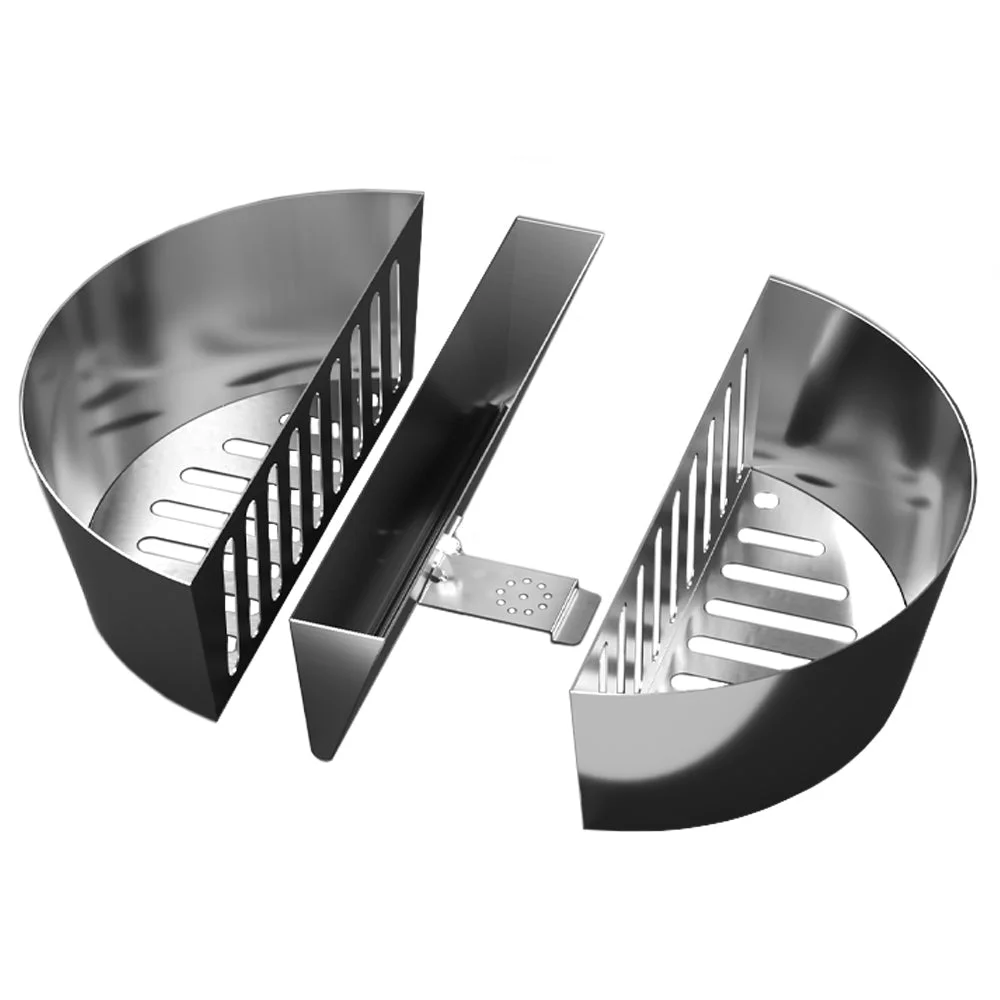
Slow 'N Sear 2-in-1 Charcoal FireBaskets — Stainless Steel
₪249
Got the charcoal? Now you need the grill
SNS Grills are designed to get the most out of every type of charcoal — with precise airflow control.
View GrillsThere are two main types of charcoal for grilling: briquettes — compressed charcoal with binding agents, burns evenly for 4-8 hours and is ideal for smoking and long cooks; and lump charcoal — natural hardwood charcoal with no additives, reaches 370°C+ (700°F+), ideal for direct grilling and steak searing.